
CELEBRITY
BREAKING: President Trump signed an executive order to bring back mental institutions and insane asylums, revealing a very devastating reason behind it.


In a bold move to address what the administration describes as a growing threat to public order, President Donald Trump has signed an executive order directing federal agencies to support the expansion of civil commitment laws and the reopening of long-term mental health institutions, including what some have called “insane asylums.”
The order, originally issued in July 2025 under the title “Ending Crime and Disorder on America’s Streets,” emphasizes shifting individuals with serious mental illness—particularly those experiencing homelessness—from the streets into “appropriate facilities for humane treatment.”
Administration officials argue that untreated mental illness and substance use disorders among the unhoused population have fueled urban chaos, including vagrancy, violent encounters, and widespread disorder that endanger law-abiding citizens.
A White House fact sheet accompanying the policy highlights statistics showing that a significant portion of people living on the streets suffer from severe mental health conditions or addiction, contributing to public safety risks.
The devastating reason behind the push, according to supporters, is the failure of decades-old deinstitutionalization policies that emptied asylums in favor of community-based care, only to leave many vulnerable individuals without adequate support—resulting in cycles of homelessness, crime, and tragedy on city streets.
The executive order instructs the Attorney General and Department of Health and Human Services to pursue reversals of judicial precedents and consent decrees that limit broad civil commitment practices.
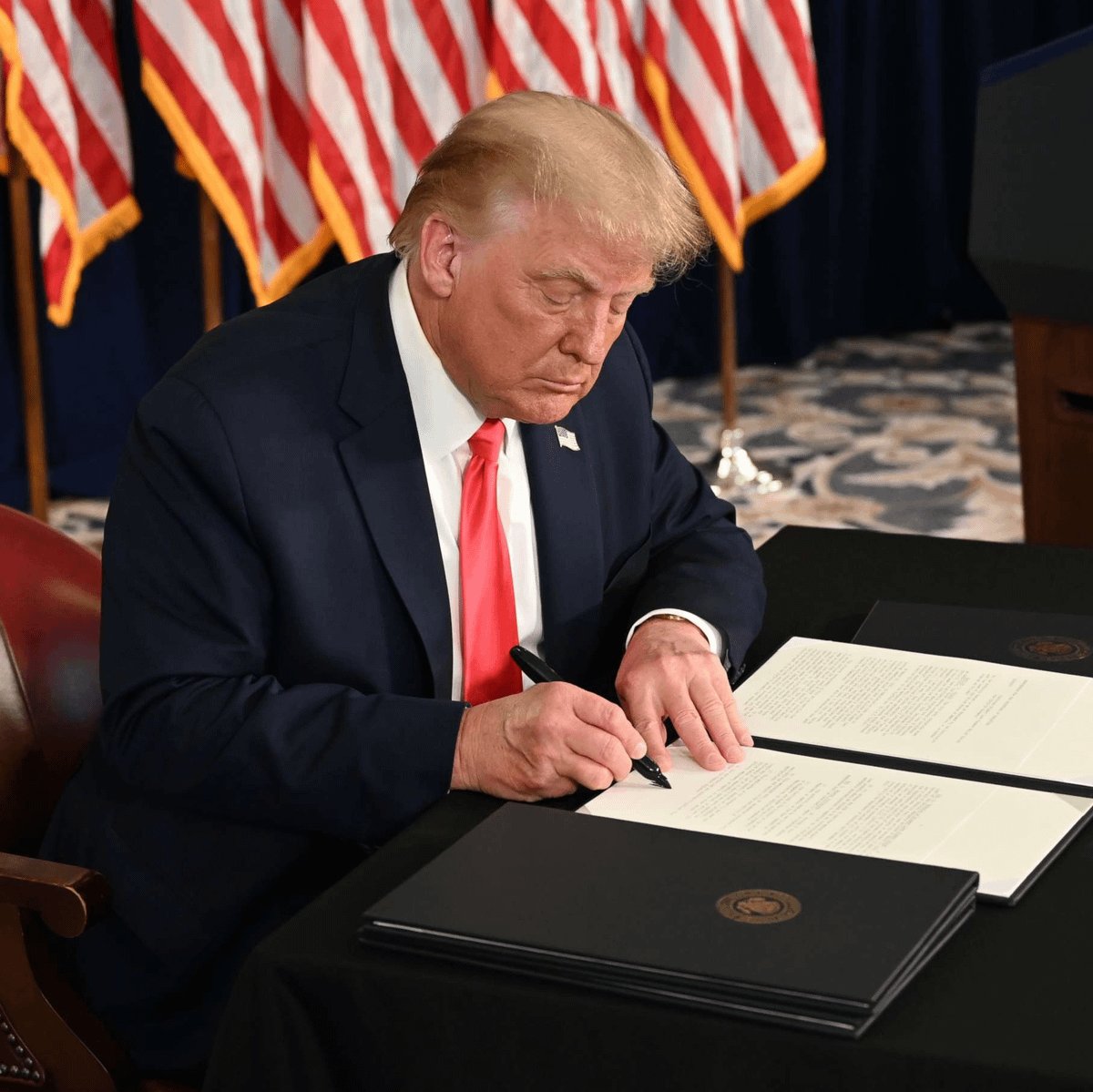
It also directs federal agencies to prioritize grants and technical assistance for states adopting “maximally flexible” standards for involuntary inpatient treatment, assisted outpatient programs, and step-down care for those deemed a danger to themselves or others.
Proponents, including some mental health experts and conservative policy groups, praise the measure as a necessary return to proven institutional care that once protected both patients and communities.
Critics, however—including civil rights organizations like the ACLU and homelessness advocates—condemn it as a rollback of disability rights, warning of potential abuses, privacy concerns, and the revival of outdated, coercive systems without sufficient funding or safeguards.

The policy aligns with President Trump’s long-standing campaign statements calling for people with serious mental illnesses to be “brought back to mental institutions, where they belong,” as part of broader efforts to restore order in American cities.
No immediate timeline for new facility openings has been announced, but the order signals a major federal push to incentivize states to expand institutional capacity amid ongoing debates over homelessness, mental health, and public safety.

Loved-Up Duo Taylor Swift and Travis Kelce Spotted Cheering from the Stands at USA-Australia FIFA World Cup Match

Taylor Swift Spotted Alongside New York Knicks Players During Championship Parade as Pop Superstar Prepares to Headline Grand Finale Performance

IT’S FINALLY OFFICIAL! Our hearts are bursting! Travis Kelce and Taylor Swift just surprised the entire world with a massive announcement during their latest public appearance. The speculation is officially OVER, and the news is better than anyone ever imagined!

Kim Kardashian Criticizes Songwriters Hall of Fame, Claiming the Prestigious Music Award “Has Lost Its Credibility” After Taylor Swift’s Landmark Induction

BREAKING: U.S President Donald Trump Has Just Been Confirmed…

Travis Kelce Steps Out With his Baby Mama Taylor Swift Who is Pregnant With Their First Child And Shows Off Her Baby Bump

SHOCKING NEWS: 😮 Fatal Incident at the Residence of Travis Kelce and Fiancée Taylor Swift — Early this morning, authorities responded to a frantic 911 call from the couple’s luxury residence, leading to the Passing Away of…see more👇👇

Taylor Swift Collapses Courtside at the NBA Finals Game – Devastated Travis Kelce Reveals She Has Been Tragically… See More

TRAVIS KELCE AND TAYLOR SWIFT just made the BIGGEST, happiest announcement of their lives together! After years of sweet, private love built through support, patience, and shared dreams, they dropped the ultimate bombshell in the most romantic way – cheers exploding everywhere!

Travis Kelce Finally Makes His Red Carpet Debut Alongside Fiancée Taylor Swift, Later Escorting the Pop Superstar to the Stage as She Accepts Songwriters Hall of Fame Induction in New York City

Is the NFL’s Golden love story really coming to an end?? Patrick & Brittany Mahomes divorce news shocked fans. Full story in the link below 👇🏾👇🏾👇🏾
